
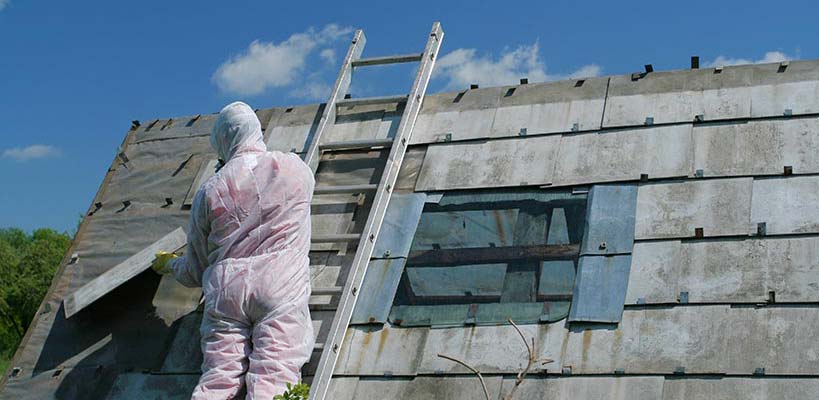
Asbestos Roof Tiles Removal
Asbestos roof tile removal is one of the most common services that we carry out for our clients. We work across the UK, covering much of the South of England from our base in West Sussex, and covering the Midlands and the North of England from our base in Nottinghamshire. Please get in contact with us today if you are interested in learning more about having asbestos-containing roof tiles removed from your property.
Asbestos Roof Tiles Removals
Whether you have just found out that you have roof tiles that contain asbestos, or you are worried that your tiles may contain the material, it’s natural to look into your options regarding removal. At Crucial Environmental, our experienced team have years of expertise in carrying out the removal of asbestos tiles and other asbestos containing materials (ACMs) – we can provide you with any information you need.
Removing asbestos tiles is a job that needs to be carried out under strict conditions in order to avoid any harm from asbestos fibres. The tiles are removed with care and placed into heavy gauge polythene sacks and double bagged. They are then either placed in a locked container during transit or placed into a sealed hazardous waste skip.
Nationwide Coverage
Residential, Commercial &
Industrial
Get More Information
About Asbestos Roof Tile Removal with our FAQ’s and Articles
Do I Need to Leave the Property During Removal?
Yes, it’s safest to vacate the area during removal to avoid exposure to asbestos fibres.
How Can I Book Asbestos Roof Tile Removal?
Contact Crucial Environmental via our website or phone to arrange a survey. We will handle all aspects of the removal process, ensuring a safe and compliant service.
What Happens to the Asbestos Roof Tiles After Removal?
The tiles are securely bagged, labelled, and transported to licensed asbestos disposal facilities, following strict legal guidelines.
Is Air Testing Required After Removal?
Air testing is recommended after removal to ensure the area is safe and free from asbestos fibres. A clearance certificate is provided upon completion.
Can I Remove Asbestos Roof Tiles Myself?
No, asbestos roof tile removal should only be carried out by licensed professionals due to the health risks involved. DIY removal can disturb the asbestos and release dangerous fibres.
How is Asbestos Roof Tile Removal Conducted?
The process includes surveying the roof, carefully removing the tiles, and using containment measures to prevent fibre release. All waste is then safely transported to licensed disposal facilities.
Why is Asbestos Roof Tile Removal Important?
Over time, asbestos roof tiles can degrade, especially when exposed to the elements. Safe removal prevents the release of harmful asbestos fibres, protecting the health of occupants and complying with safety regulations.
What is Asbestos Roof Tile Removal?
Asbestos roof tile removal involves the safe and controlled removal of roof tiles containing asbestos, which were commonly used in older buildings. The removal process ensures that asbestos fibres are not released into the environment.
How Long Does the Removal Process Take?
The time required depends on the extent and location of the asbestos. An initial survey will provide an accurate schedule and plan for the work.
What Safety Measures Are Taken During Removal?
We use controlled methods, such as dampening materials, containment, and proper PPE, to minimise the risk of asbestos exposure during the removal process.
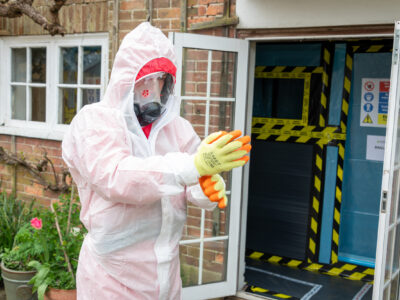
Asbestos Management for Housing Associations: Key Responsibilities and Best Practice
Housing associations manage some of the most varied property portfolios in the UK. A single organisation may be responsible for blocks of flats, sheltered accommodation, supported living schemes, communal areas, offices, garages, maintenance buildings and older...

Asbestos Surveys for Managing Agents: Protecting Tenants, Landlords and Contractors
Managing agents play a central role in the safe running of commercial buildings. Whether managing offices, retail units, industrial estates, warehouses, mixed-use properties, business parks, leisure premises or multi-let buildings, managing agents often act as the...
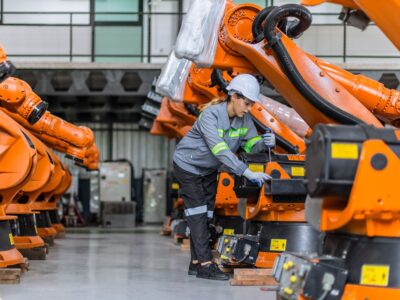
Asbestos in Factories: Common Risks and How to Manage Them
Asbestos remains an important issue for many factories, manufacturing sites and industrial buildings across the UK. Although asbestos has been banned for many years, materials installed before the ban may still be present in older buildings, plant rooms, boiler...
Speak to our team
0330 633 4422