
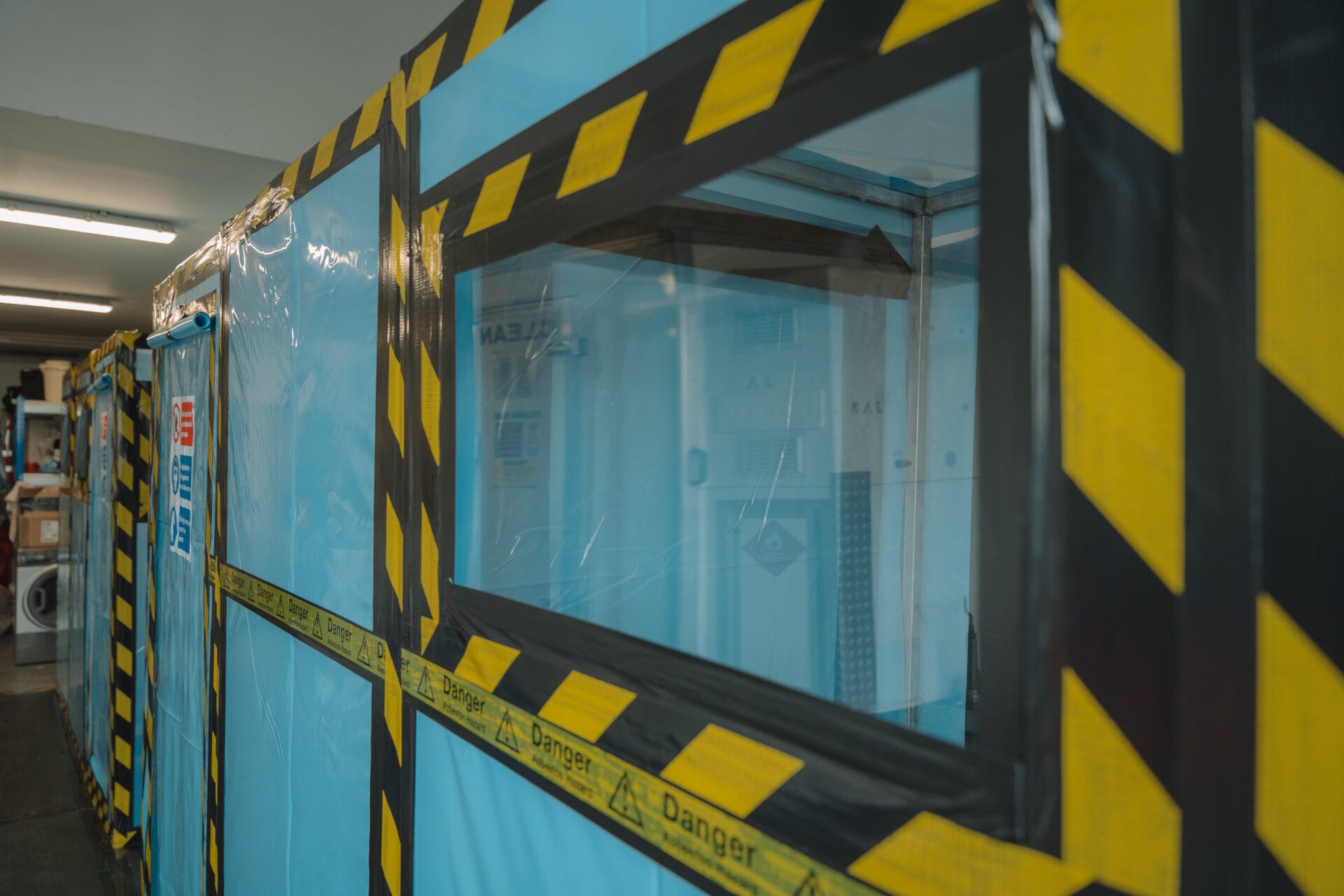
When it comes to asbestos, there’s no room for shortcuts. Whether you’re managing a commercial refurbishment or updating an older residential property, choosing the right asbestos removal contractor is a critical decision. Not only does it affect the safety of those on site, but it also has legal implications under UK regulations. With a wide range of providers offering different services, credentials and levels of experience, it’s vital to know what to look for. In this guide, we outline the key factors that will help you select a reputable contractor you can trust.
Understanding the Type of Asbestos Work
Before choosing a contractor, it’s important to know what type of asbestos work is required. The Control of Asbestos Regulations 2012 classifies work as either licensed or non-licensed, depending on the risk level and materials involved.
Licensed asbestos work includes high-risk activities such as the removal of sprayed coatings, pipe lagging, and certain insulation materials. These must be carried out by a contractor who holds a licence issued by the Health and Safety Executive (HSE). On the other hand, non-licensed work — such as minor maintenance or removal of asbestos cement or textured coatings — may not require a licence but still demands proper training, control measures and, in some cases, notification to the authorities.
Understanding the distinction will help ensure you’re choosing a contractor who is appropriately qualified for your specific project.
Verifying Licensing and Accreditation
For any licensable asbestos removal project, it is a legal requirement to use an HSE-licensed contractor. Always ask to see their current HSE licence and verify its status through the public register. This not only ensures compliance but also provides reassurance that the contractor has been independently assessed for competence, safety and quality management.
In addition to HSE licensing, look for evidence of relevant accreditations such as:
- UKAS accreditation for any testing or analysis work
- ISO 17025 for testing laboratories or ISO 45001 for occupational health and safety
- Membership of recognised trade bodies such as ARCA or ACAD
These certifications are not just badges — they indicate that the contractor adheres to industry best practices and regulatory standards.
Evaluating Experience and Capabilities
Experience can often be the difference between a smooth project and one plagued by delays or non-compliance. A reputable asbestos contractor should be able to demonstrate a track record of successful projects similar to yours. Ask how long they’ve been trading, what types of buildings or materials they’ve worked with, and whether they can provide references or case studies. While qualifications and licensing are essential, practical experience often plays a bigger role in handling complex or unexpected on-site challenges.
You should also consider whether the contractor offers a complete service — from surveys and testing through to removal and disposal. Working with one provider throughout the process can help reduce costs and avoid miscommunication between separate contractors.
Planning and Preparation: Look for a Detailed Plan of Work
Any professional asbestos contractor should provide a site-specific Plan of Work before starting. This document outlines how they intend to carry out the work safely and in line with the law. It should include a risk assessment, proposed removal methods, controls to prevent exposure and spread, as well as emergency procedures.
A clear and tailored plan is not only a legal requirement under Regulation 7 of the Control of Asbestos Regulations, but it also demonstrates that the contractor understands the unique risks of your site. Avoid any contractor who offers vague or generic paperwork — it’s a red flag.
Waste Handling and Legal Disposal
Asbestos is a hazardous material, and its disposal is strictly regulated. Any contractor you use must handle and dispose of waste in accordance with UK law. This means transporting asbestos in sealed, clearly labelled containers and ensuring it’s taken to a licensed disposal site.
Your contractor should also be registered as a waste carrier and provide you with a waste consignment note. This document serves as proof that the waste has been disposed of correctly and is a requirement for your own compliance records.
Air Monitoring and Final Clearance
For licensable asbestos removal, especially in enclosed environments, post-removal air testing is essential. An independent, UKAS-accredited analyst should conduct a four-stage clearance process that includes a visual inspection, air testing, and final certification before the area is deemed safe for reoccupation.
While some smaller, non-licensed jobs may not require full air monitoring, it is always good practice to ensure your contractor engages qualified analysts when necessary and is transparent about the clearance procedures involved.
Insurance and Worker Safety
It’s vital that your contractor holds adequate insurance, particularly for public and employer’s liability that specifically covers asbestos-related work. This protects you in the event of accidental damage or exposure during the project.
Additionally, any contractor working on licensable or notifiable non-licensed work should have a health surveillance programme in place for their employees, in line with Regulation 22. Don’t be afraid to ask how they ensure the ongoing safety and wellbeing of their staff — it’s a good indicator of their professionalism and organisational standards.
Questions to Ask Your Contractor
To help you make the right decision, here are a few key questions to ask during your selection process:
- Are you currently licensed by the HSE to carry out asbestos removal?
- What experience do you have with the type of asbestos material on my property?
- Will you provide a detailed Plan of Work before starting?
- How do you handle asbestos waste and can you provide disposal documentation?
- Do you arrange air testing and issue clearance certification where required?
- What insurances and health surveillance procedures do you have in place?
A confident and competent contractor will have no hesitation in answering these questions clearly.
Why Choose Crucial Environmental?
At Crucial Environmental, we are a trusted name in asbestos services, working with clients across the UK from our offices in Sussex and Nottinghamshire. We offer comprehensive solutions including asbestos surveys, testing, and HSE-licensed removals, ensuring full compliance with current legislation.
Our team is highly experienced, fully trained, and committed to delivering projects safely, efficiently and professionally. Whether you’re a commercial property manager, local authority, or private homeowner, we tailor our approach to suit your needs — with clear communication and documentation every step of the way.
Final Thoughts
Choosing an asbestos removal contractor isn’t just about ticking a box — it’s about protecting lives, meeting legal obligations, and avoiding costly mistakes. By taking the time to assess credentials, experience and processes, you can make a confident and informed decision that keeps your project — and everyone involved — safe.
Related Services and Information
- Asbestos Surveys
- Licensed Asbestos Removal
- Asbestos Testing Services
Contact Us for a quote or further advice